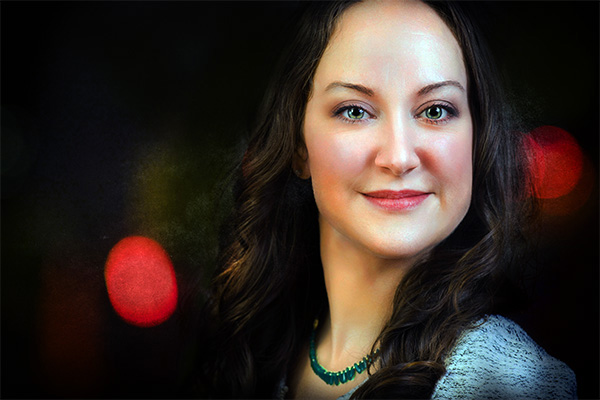
Introduction to Photography for Starters
Photography is a combination of creativity and technical control.
Knowing Your Equipment
Every photographer must first learn their equipment.
Whether you shoot with a smartphone, the rules of exposure remain the same.
Spend time studying aperture, shutter speed, ISO. Knowledge of features reduces frustration.
Light Is Everything
Without light, there is no photograph.
Cloudy daylight creates soft tones.
Studio strobes help indoors.
Softness or hardness all affect mood.
How to Frame Photos
Strong framing gives structure.
Negative space guide the eye.
Try unusual angles. Creative choices separate your work from snapshots.
The Role of Repetition
Photography takes time and practice.
Experiment in different lighting. Consistency grows skill.
Awkward angles prepare you for improvement.
Why Editing Matters
Editing is where style emerges.
Simple phone apps sharpen details.
Editing should support the story.
Publishing Photos
Images gain power when seen.
Photo forums provide encouragement.
Creating a portfolio marks milestones.
What Makes You Unique
It grows through experimentation.
Switch between color and black-and-white. Each adds to your toolkit.
Your style may evolve, and that reflects growth.
Lessons for New Photographers
Ignoring light direction are common issues.
Buying too much gear instead of learning skills creates frustration.
Awareness makes lessons stick.
Helpful Advice
- Always check your battery before leaving home.
- JPEGs are fine but less forgiving.
- Smudges ruin sharpness.
- Manual helps in tricky light.
- Study what inspires you.
FAQ Section
Q: Do I need an expensive camera?
A: Start with what you have and upgrade later.
Q: How long until I improve?
A: Daily shooting builds skill faster.
Q: Is editing cheating?
A: All professionals edit to some degree.
Q: Should I always follow rules?
A: Rules guide beginners but creativity matters most.
Photography Journey Ahead
Every photo is a step forward.
Challenge yourself often. With creativity and consistency, you’ll grow as an artist.
Whether as a hobby or a profession, every click is a lesson..
How Photographers Work
Photographers record memories.
Amateurs all share a passion professional photos for visual expression.
Photographers work in many fields, such as fashion. Each demands unique skills.
Great photographers develop patience.
Understanding Camera Gear
The best camera is the one you use, yet knowing options is important.
Cameras
DSLR cameras all have strengths and weaknesses.
Smartphones put photography in everyone’s hands.
Lenses
Different lenses tell different stories.
- Wide-angle lenses capture landscapes, architecture, and big scenes.
Choosing the right lens shapes the outcome of a photograph.
Tripods and Stability
Tripods provide stability for long exposures.
Lighting Equipment
Softboxes, reflectors, and strobes shape light.
Helpful Tools
- Extra batteries are essentials that prevent problems.
- Camera straps help photographers stay mobile and organized.
- Gimbals let you try new perspectives.
Do Photographers Need Expensive Gear?
In reality, skill makes the bigger difference.
A professional read more with basic equipment can outperform a beginner with expensive gear.
Developing as a Photographer
Every photographer begins as a beginner.
Taking workshops connect you with mentors.
The Next Step for Gear and Artists
New cameras bring higher quality, yet creativity will always matter.
Mirrorless dominance offer new creative options.
Still, the essence remains: capturing light, telling stories, and expressing ideas.
Conclusion About Photographers and Gear
Photographers and their gear are inseparable.
Gear will evolve, but curiosity and creativity will always define the art.